How to Build a Virtual Pinball Cabinet: The Main Components Explained
A beginner-friendly overview of the displays, computer, controls, software and feedback hardware required for a virtual pinball cabinet.

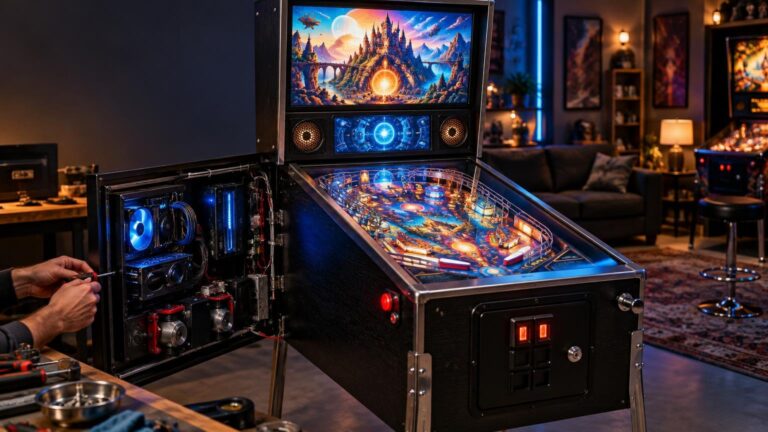
A beginner-friendly overview of the displays, computer, controls, software and feedback hardware required for a virtual pinball cabinet.
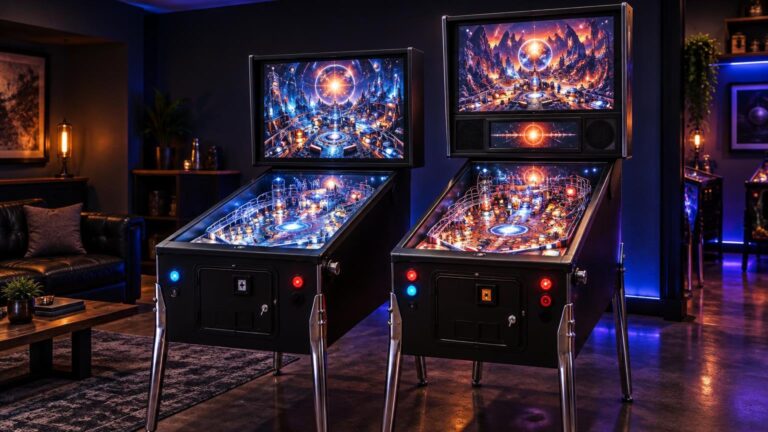
A two-screen virtual pinball cabinet is simpler and usually the better value. A three-screen build adds a dedicated DMD display and a more convincing backbox, but it also demands more space, hardware and configuration.
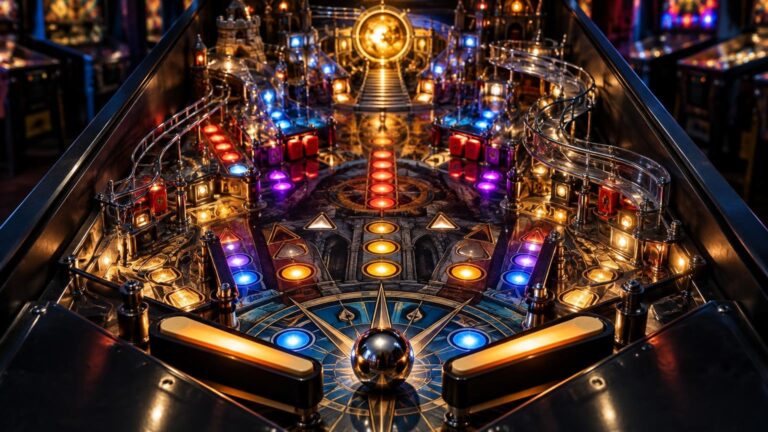
A pinball mode gives you a temporary set of shots and scoring objectives. A wizard mode is a high-level mode earned through substantial progress—and it is not necessarily a multiball.
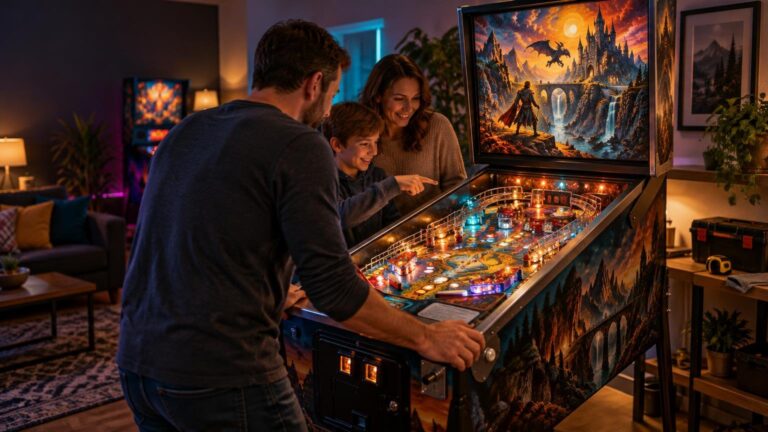
Pokémon Home Edition Plus leads the new-machine choices, but theme, space, support and condition should decide which pinball machine fits your household.
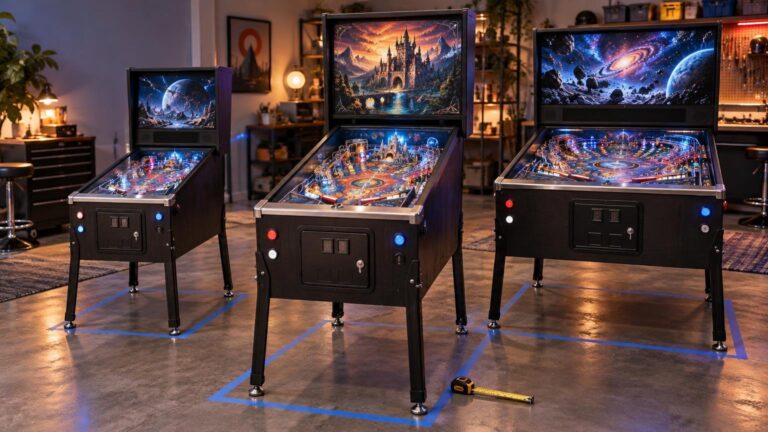
Choose a virtual pinball cabinet around the exact playfield display, available room and required service clearance—not the screen diagonal alone.
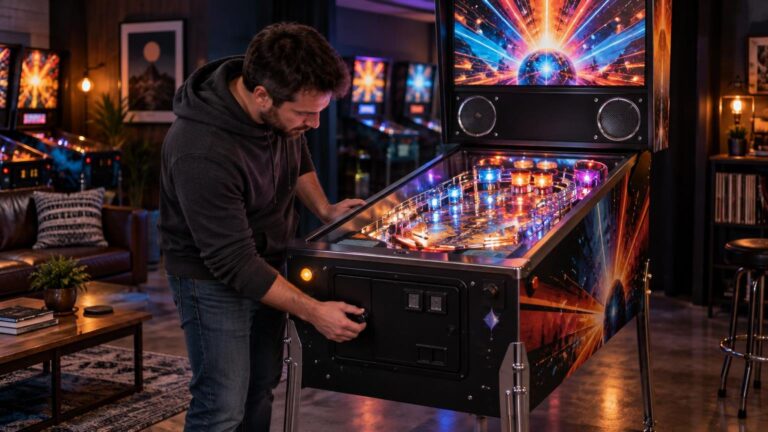
Pinball speaker upgrades can improve clarity and bass, but the best result comes from diagnosing the weakness first and choosing compatible parts.
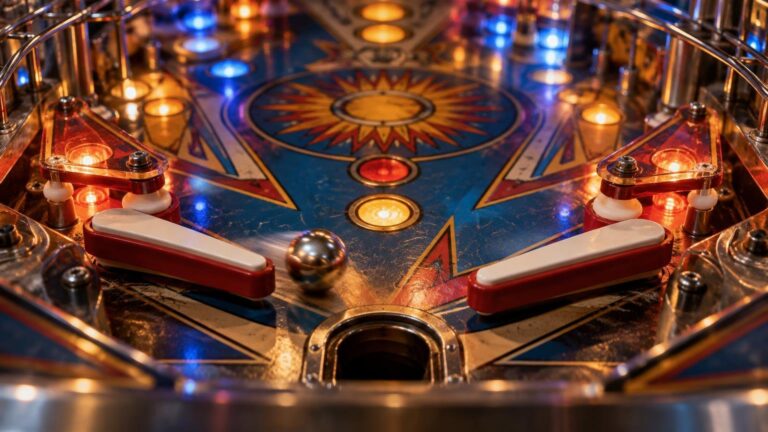
A dead bounce is an intentional no-flip transfer from one lowered flipper toward the other. Learn how to recognize a safe feed and avoid the center-drain trap.
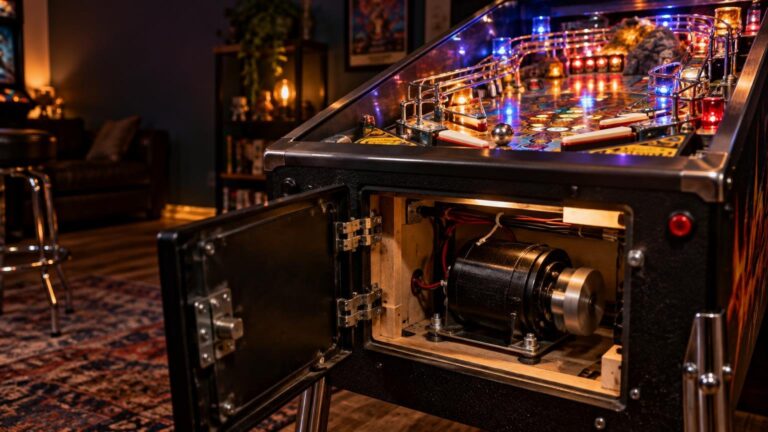
A shaker motor adds programmed cabinet vibration to selected moments in a pinball game. Here is how the effect works, what it changes, and what to verify before buying one.
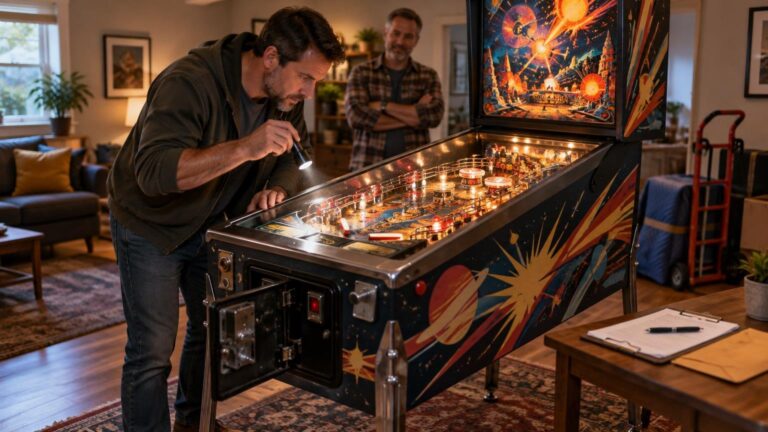
A practical checklist for verifying, inspecting, paying for, and transporting a used pinball machine purchased through a private sale.
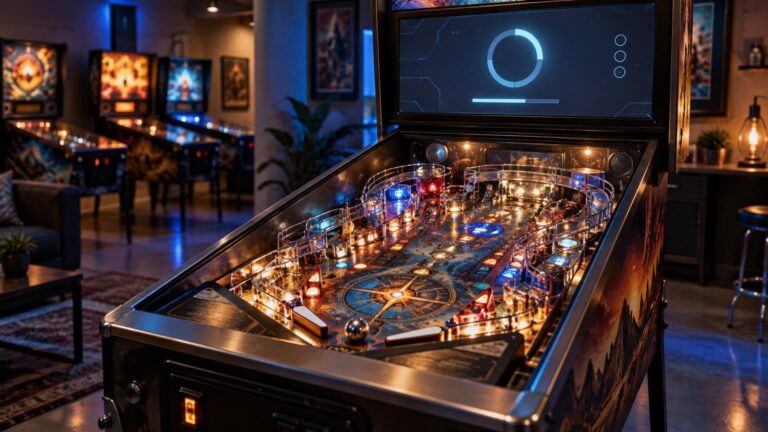
Modern pinball code updates can add rules, rebalance scoring, fix faults, maintain the operating system and support connected features. Here is how to judge whether an update matters for your machine.