
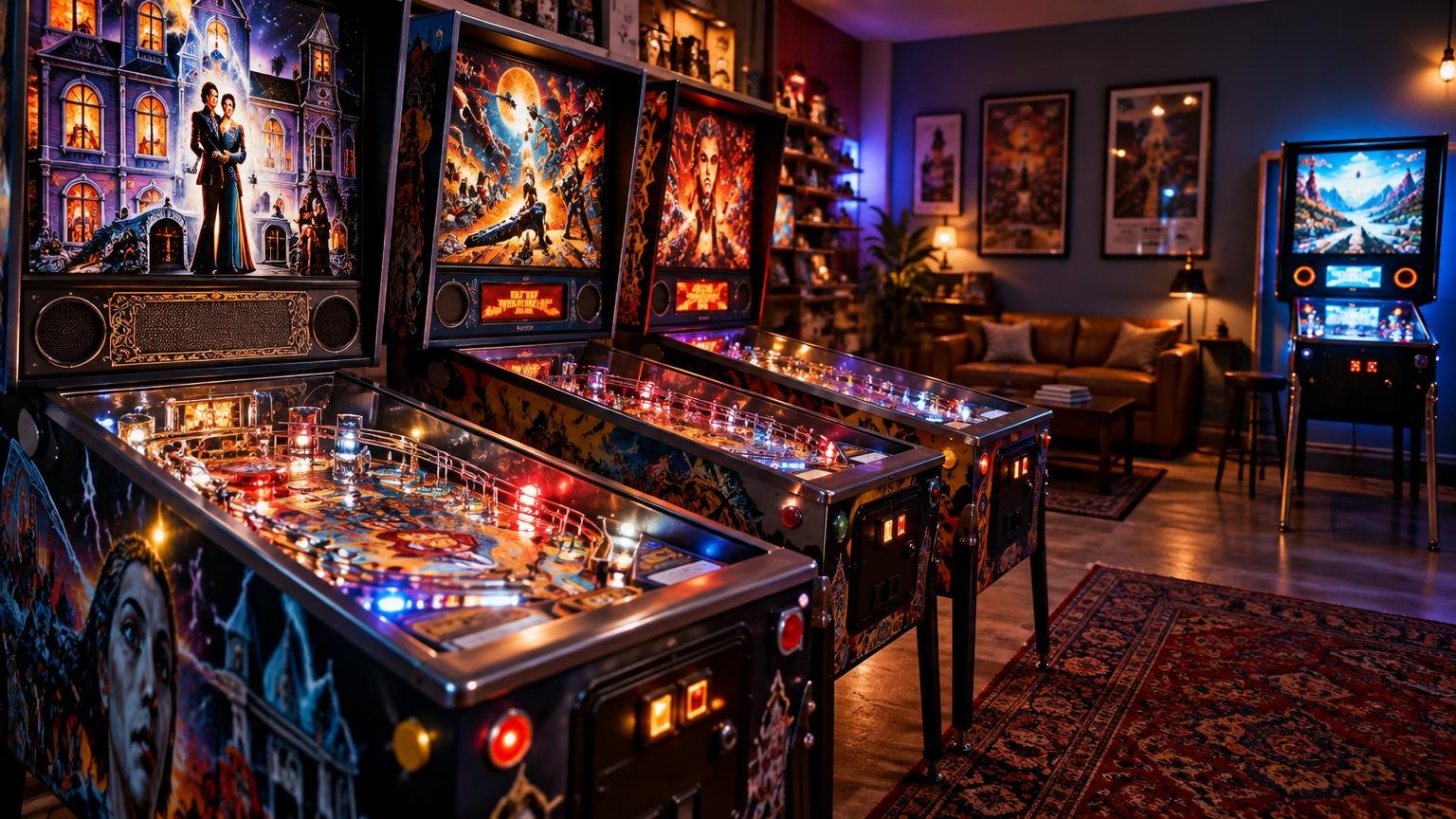
Pinball Machines, Ownership, Gameplay and Virtual Pinball
Explore practical guidance for choosing, owning, maintaining and enjoying physical pinball machines, with gameplay insight and substantial virtual pinball coverage.
Pinball Machines, Ownership, Gameplay and Virtual Pinball
PromoPinball helps home owners, prospective buyers, collectors, game-room enthusiasts, and virtual players make practical pinball decisions. The focus is not simply which machine looks exciting under arcade lights, but whether its gameplay, condition, space needs, upkeep, and long-term appeal suit the person who will live with it. That means looking past the theme to the choices that shape everyday ownership.
Physical pinball is the center of gravity. We cover machine selection, new and used buying, ownership costs, private sales, rules, shooting styles, maintenance, restoration, upgrades, and the industry around modern games. The point is to make mechanical details understandable without losing the basic question: will this machine be enjoyable and manageable in your home, game room, or collection?
Virtual pinball is a substantial complementary part of the hobby, not an afterthought. We cover cabinets, displays, controls, software platforms, and feedback systems, along with the tradeoffs between digital and physical play. A virtual setup can offer breadth and flexibility; a traditional machine offers its own mechanical response, presence, and maintenance reality. The useful choice depends on what you want to play and own.
Latest from PromoPinball
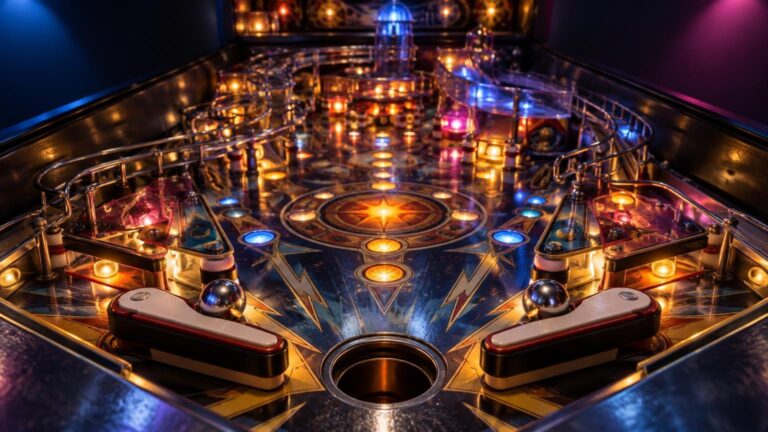
How to Cradle Separate During Multiball
Cradle separation turns two balls trapped on one flipper into one controlled ball on each side. Here is how to set up, execute and practice the…
Read more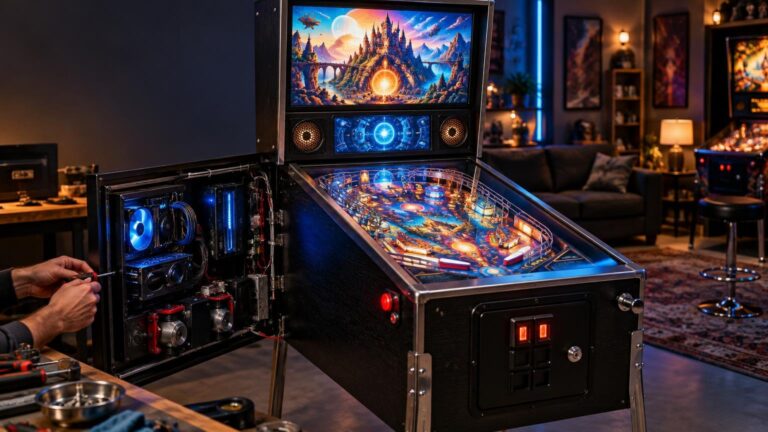
How to Build a Virtual Pinball Cabinet: The Main Components Explained
A beginner-friendly overview of the displays, computer, controls, software and feedback hardware required for a virtual pinball cabinet.
Read more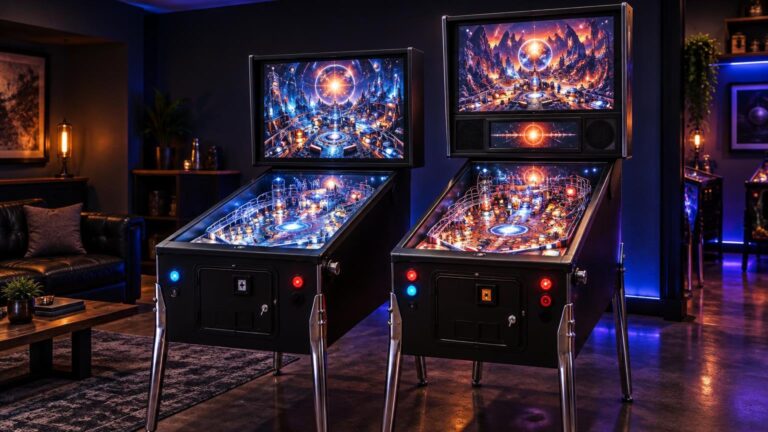
Two-Screen vs Three-Screen Virtual Pinball Cabinets
A two-screen virtual pinball cabinet is simpler and usually the better value. A three-screen build adds a dedicated DMD display and a more convincing backbox, but…
Read moreMake the Next Pinball Decision with Confidence
Good pinball choices depend on more than theme, reputation, or a dramatic feature list. Before buying, readers may need to compare repeat-play appeal with maintenance complexity, measure a tight delivery route, understand what a software update changes, or inspect a used game before money moves. Owners may be weighing a worthwhile upgrade, diagnosing weak flippers, reading playfield lights, or learning a control technique that turns chaotic play into deliberate shooting. The practical details are where a dream machine becomes a good long-term fit.
PromoPinball brings enthusiasm and buyer-aware judgment to those decisions. Current manufacturer information and manuals guide coverage of specifications and supported features, while official documentation informs virtual-pinball topics. Historical references and community discussion can add context where useful. Manufacturer claims, measurable details, and enthusiast opinion should not blur together. Start with the guide closest to your decision, then focus on the variables that matter in your room, budget, preferred gameplay, and tolerance for upkeep. They often matter more than a flashy first impression.
Frequently Asked Questions
What does PromoPinball cover?
PromoPinball covers machine discovery, buying, ownership, gameplay, rules, maintenance, restoration, upgrades, industry developments, and virtual pinball.
Is PromoPinball mainly about physical or virtual pinball?
Physical machines are the primary focus, with an intended editorial mix of roughly 70% physical and 30% virtual pinball.
Who is PromoPinball for?
It is for home owners, prospective buyers, collectors, arcade and game-room enthusiasts, physical-machine hobbyists, and virtual pinball players.
Does PromoPinball help first-time pinball buyers?
Yes. Coverage includes new-versus-used decisions, budgets, space, condition, maintenance, private purchases, and repeat-play appeal.
What virtual pinball topics are included?
Coverage includes cabinet components, displays, controls, software platforms, feedback devices, setup decisions, and physical-versus-virtual comparisons.
How are changing specifications and features handled?
Current manufacturer information, manuals, and official software documentation are prioritized for specifications, supported features, code, and release details.
Does PromoPinball distinguish facts from owner opinion?
Yes. Manufacturer claims, measurable facts, editorial judgment, and community sentiment are treated as distinct forms of information.